
How to Budget for a Home in 2026: Preparing for the Year Ahead
Budgeting for Home Repairs and Maintenance
Buying or maintaining a home in 2026 is an exciting venture, but it comes with significant financial responsibilities. To ensure you're financially prepared for the year ahead, having a clear and actionable budget for home repairs, maintenance, and upgrades is essential. This guide will walk you through how to effectively budget for your home.
Understanding Home Maintenance Cost
One of the first steps in preparing your home budget is understanding home maintenance costs. Typically, homeowners can expect to spend around 1-4% of their home's value annually on upkeep. Factors like the age, size, location, and condition of your home will influence these expenses.
For instance, older homes or those in areas with extreme weather conditions usually require more frequent repairs, while larger homes tend to incur higher costs for materials and labor.
Factors to Consider in Your Home Budget
Before diving into specific budgeting techniques, it's crucial to recognize the key factors influencing your expenses:
- Home size: The more square footage, the more you'll spend on repairs and maintenance.
- Age of the home: Homes over 10 years old may need more attention, such as roof replacements or plumbing updates.
- Climate: Properties in areas with harsh winters or extreme heat may require additional care.
- Your lifestyle: If you prefer a pristine home or frequently renovate, your costs may be higher.
Popular Budgeting Approaches
When deciding how to allocate your funds, consider these tried-and-true approaches:
1. The Percentage Rule
This method involves setting aside 1-4% of your home's value annually for repairs and maintenance. For example, if your home is valued at $300,000, aim to save $3,000 to $12,000 each year.
2. The Square Footage Rule
Another guideline is to budget approximately $1 per square foot annually. So, if your home is 2,000 square feet, plan to save $2,000 for upkeep.
3. Set Dollar Amount
If you're new to homeownership or want a straightforward strategy, set a specific dollar amount in your monthly budget for unexpected repairs and a home maintenance plan.
How Much to Budget for Home Repairs and Maintenance
While general rules are helpful, assessing specifics can make your plan more effective. Ask yourself these questions:
- When was the last time major systems like the HVAC or roof were serviced?
- Have you factored in seasonal tasks like gutter cleaning or lawn care?
- Do you need a repair plan for larger, more expensive fixes?
The answer will depend on your home's unique characteristics. For instance, if your roof is nearing its 20-year lifespan, you might need to allocate more for a replacement.
Tips for Managing Home Expenses
Create a Plan
Planning can help you stay organized and prioritize tasks. Break down your yearly tasks by season, focusing on preventive care such as HVAC tune-ups and window inspections.
Track and Review Your Spending
Keeping track of expenses helps identify areas where you can save. You might research common home repair costs in your area to avoid underestimating expenses.
Invest in a Home Service Repair Plan
Consider investing in a home service repair plan for major appliances or systems. These plans can cover unexpected issues and make budgeting more predictable.
Budgeting for Home Repairs
Unexpected costs like a leaky roof or broken furnace can disrupt your finances if you're unprepared. A proactive approach to budgeting can help mitigate these surprises:
- Create an emergency fund specifically for repairs.
- Research common home repair costs in your area to avoid underestimating expenses.
- Schedule routine inspections to identify small issues before they become significant problems.
By understanding your budget for home maintenance, and creating a plan, you'll enter 2026 with confidence and peace of mind. Start budgeting now to make your home a haven — not a financial headache!
If you need help with deck repairs or other home services, consider reaching out to Viberto Guerra Construction Services at +17867814497 for reliable assistance.
Apr 09, 2026
The Pros and Cons of DIY Home Projects: When to Hire a Provider
Understanding When to DIY vs. Hire a Professional
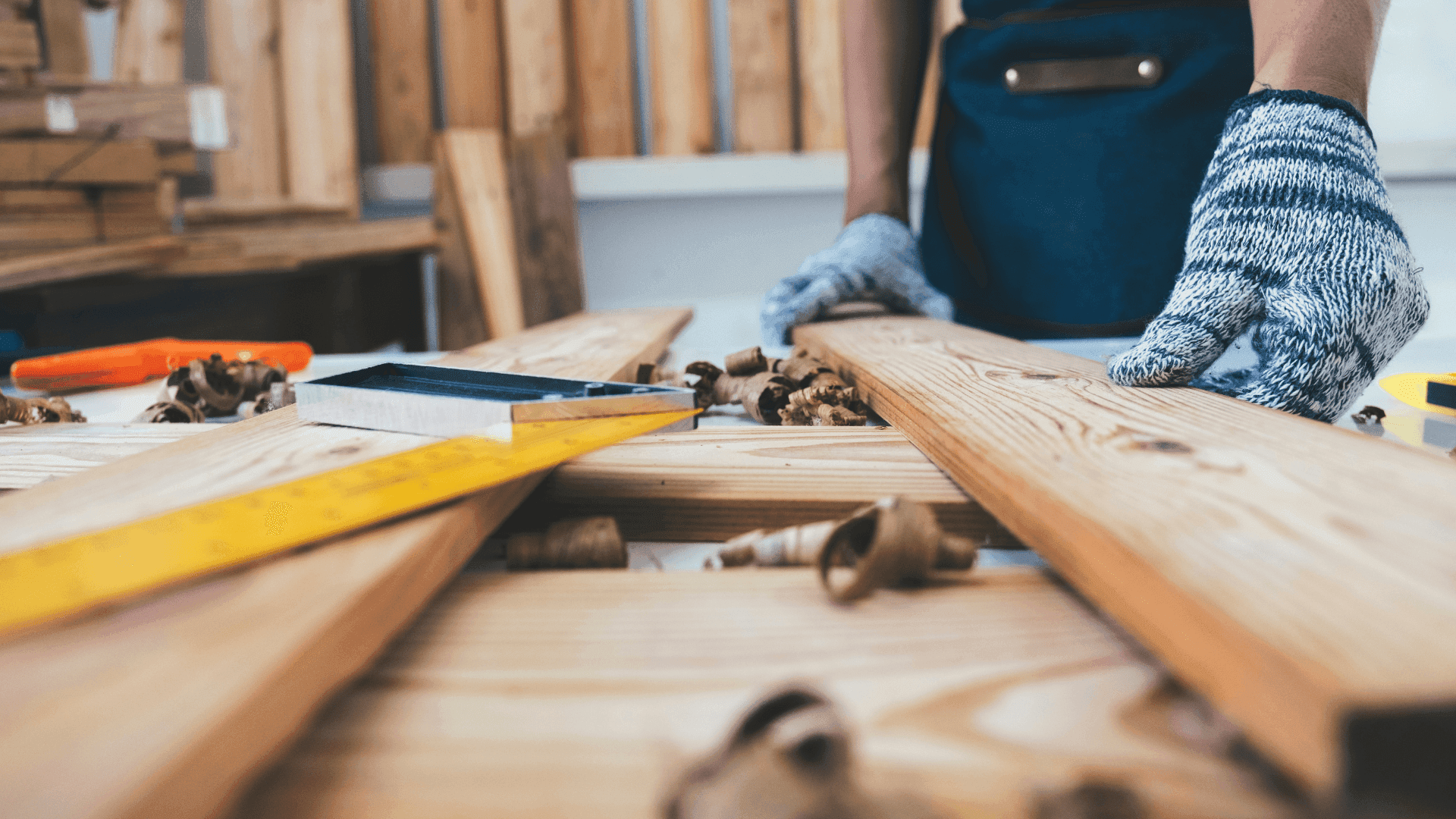
DIY home projects are a great way to personalize your space and save money. However, it’s crucial to understand which projects you can handle yourself and which require the expertise of professionals. In this guide, I’ll explore the benefits of DIY and when it may be better to call in the experts.
The Benefits of DIY: Creativity and Cost Savings
One of the main advantages of DIY projects is the opportunity they provide to save money while getting creative. From building furniture to holiday decorations, taking on projects yourself allows you to add a personal touch to your home. DIY is particularly helpful for smaller, manageable tasks like painting, landscaping, and organizing your garage.
The Downsides of DIY: Hidden Costs and Complexity
While it can be enjoyable and rewarding, DIY isn't always the best choice. Larger projects can quickly become overwhelming, especially when unexpected complications arise. You may find you need specialized tools or permits, and what initially seemed straightforward could take much longer than anticipated.
Mistakes can also be costly. For example, projects involving electrical work, plumbing, or major renovations could ultimately cost more in repairs than if you had hired a professional from the start. This is where hiring local experts like Viberto Guerra Construction Services comes into play. We have the experience, tools, and knowledge to ensure that the job is done correctly and safely, preventing potentially costly mishaps.
When to Hire a Provider: Complex or Specialized Projects
Some projects require a higher level of expertise and should be left to the professionals. Here are a few scenarios where it makes sense to hire a pro:
- Electrical and Plumbing Work: Safety is a major concern here. A licensed professional can ensure the job is done correctly and up to code.
- Structural or Foundation Repairs: For projects altering your home’s structure, it’s essential to hire general contractors who are experienced in managing these types of tasks.
- Insulation Installation: While DIY might work for small gaps, larger insulation needs require a professional touch. Proper insulation protects your home from energy loss and keeps your environment comfortable year-round.
For large insulation projects, professionals know the right techniques to maximize efficiency and avoid gaps. If you're interested in more information, consider the importance of insulation in maintaining home comfort.
When to DIY and When to Hire
DIY projects can be enjoyable, cost-effective, and rewarding, but they’re not always the best option. Simple tasks like painting, assembling furniture, or seasonal projects are ideal for DIY. However, for projects requiring specialized skills, safety measures, or large-scale work, it’s best to hire a professional.
For larger projects—whether insulation, electrical work, or structural repairs—trusting skilled professionals ensures the job is done right, saving you time, money, and stress in the long run.

10 Tips for First-Time Homeowners
Navigating Homeownership: Essential Tips for New Owners
Embarking on the journey of homeownership brings both excitement and responsibility. First-time homebuyers face significant challenges in today's market, including high mortgage rates and rising home prices. However, with proper preparation and knowledge, new homeowners can successfully navigate these hurdles and thrive in their new role.
1. Mortgage and Maintenance Budgeting
Staying on top of mortgage payments is crucial for new homeowners, as late payments can negatively impact credit scores and potentially lead to foreclosure. Set up automatic payments or reminders to ensure timely payments.
Experts recommend setting aside 1% to 3% of your home’s value annually for repairs and maintenance. This fund helps address issues promptly, preventing small problems from becoming major expenses. Creating a comprehensive budget that includes both mortgage payments and maintenance costs is essential for financial stability and preserving your investment in the long term.
2. Property Taxes and Insurance
As a homeowner, you’re responsible for paying property taxes and maintaining adequate home insurance coverage. Stay informed about tax payment deadlines and insurance renewal dates to avoid penalties or lapses in coverage. Property taxes are typically assessed annually by local governments to fund public services, while homeowner’s insurance protects your investment from unforeseen events like fires or natural disasters.
Some mortgage lenders may require you to set up an escrow account to cover these expenses, spreading the cost over monthly payments rather than large annual or semi-annual bills. Consult professionals to ensure you’re maximizing deductions and have appropriate coverage for your specific needs.
3. Home Security and Maintenance
Ensuring your property’s security is paramount, so invest in quality locks and consider installing a comprehensive security system. This not only provides peace of mind but can potentially lower insurance premiums.
Develop a regular maintenance schedule for tasks like HVAC system checks, gutter cleaning, and roof inspections to prevent costly repairs and extend the life of your home’s systems. Familiarize yourself with your home’s major systems, including plumbing, electrical, and HVAC, and know the location of main shut-off valves. This knowledge is invaluable during emergencies or when troubleshooting issues.
4. Energy Efficiency and Document Organization
Upgrading to energy-efficient appliances, improving insulation, and installing smart home technologies can lead to significant long-term savings on utility bills while increasing property value.
Maintaining a well-organized file of important home-related documents, including mortgage paperwork, insurance policies, warranties, and records of major repairs or renovations, is crucial for future reference and potential resale. These documents should be easily accessible and stored securely, preferably in both physical and digital formats.
5. Schedule Regular Professional Inspections
Engaging licensed professionals for periodic inspections can save you from costly surprises. Schedule annual inspections for key areas like the roof, foundation, HVAC system, plumbing, and electrical wiring. A trained contractor can identify potential issues early, helping you avoid more significant repairs later.
6. Establish Relationships with Trusted Contractors
Finding reliable contractors before you need them is a smart move. Research and create a list of trusted professionals for services such as plumbing, electrical, HVAC, and general repairs. Read reviews, ask for recommendations, and confirm credentials to ensure quality service when the need arises.
7. Consider a Home Maintenance Plan
Some companies offer comprehensive home maintenance plans where contractors handle recurring tasks like HVAC tune-ups, gutter cleaning, and water heater maintenance. These plans simplify upkeep and often include discounts on additional services, giving you peace of mind and saving you time.
8. Budget for Professional Cleaning Services
Maintaining your home’s condition isn’t just about repairs. Hiring professional cleaners for tasks like carpet cleaning, window washing, or deep cleaning kitchens and bathrooms can enhance your home’s longevity and aesthetics. Consider scheduling these services quarterly or semi-annually for best results.
9. Hire Experts for Seasonal Maintenance
Certain seasonal tasks are best left to professionals. In the fall, hire a contractor to clean and inspect gutters and downspouts, ensuring proper drainage and preventing water damage. Before summer, an HVAC technician can ensure your cooling system operates efficiently. Contractors specializing in winter preparation can help insulate pipes and weatherproof your home.
10. Use Professional Landscaping Services
While basic yard work is manageable, hiring professional landscapers for more significant projects ensures a polished and lasting result. From installing irrigation systems to maintaining healthy trees and shrubs, experienced contractors can keep your outdoor spaces looking great and functioning efficiently.
Homeownership is a rewarding milestone, but it comes with responsibilities that require careful planning and proactive management. From budgeting and security to professional maintenance and seasonal care, these tips will help first-time homeowners protect their investment, save money, and enjoy the experience of owning a home to the fullest. For any home improvement needs, reach out to Viberto Guerra Construction Services in Concord, CA. We are here to assist with your deck repair and other construction needs.